
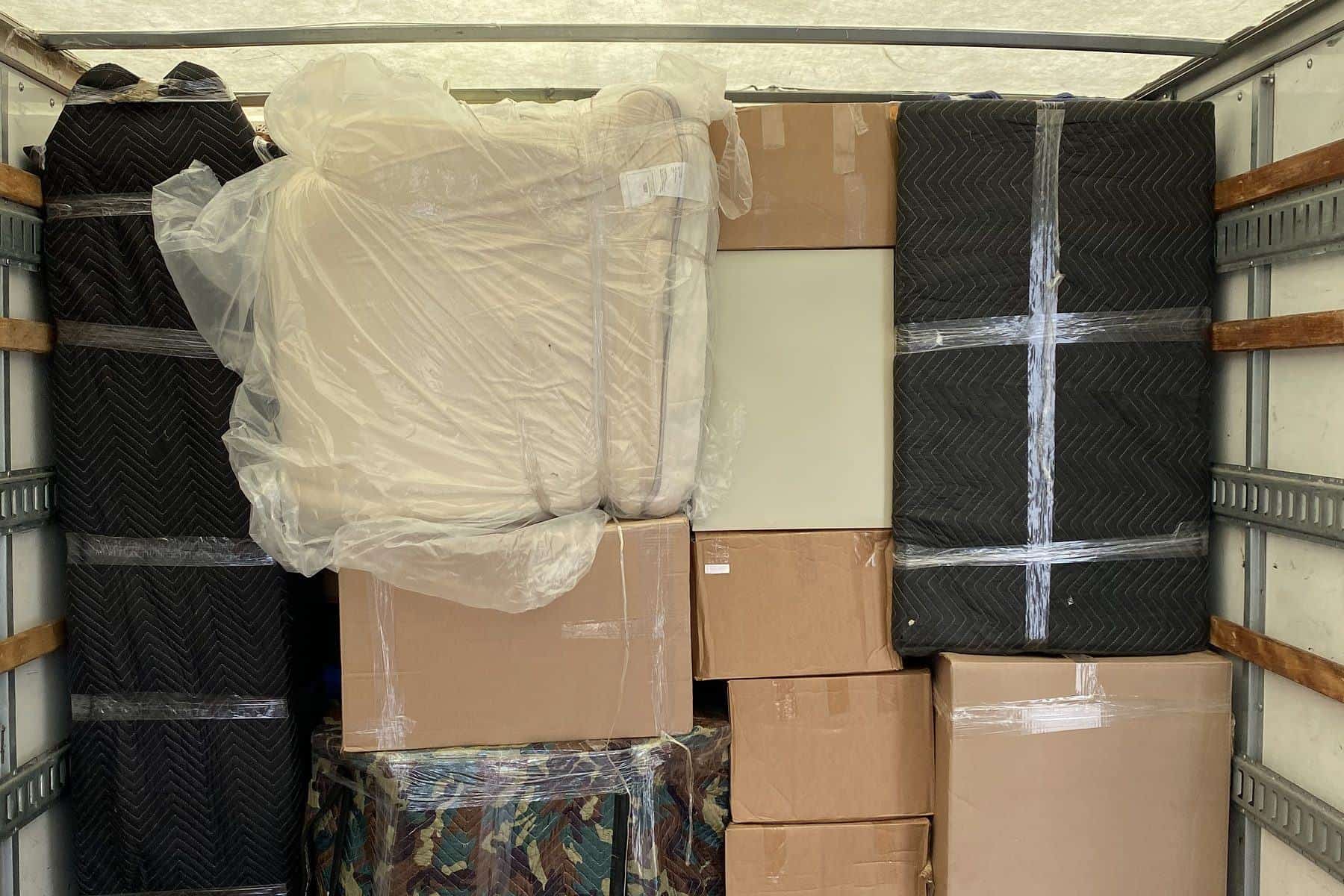
The short answer: to move out of state without stress, set a full budget before you request quotes, start planning 8 to 12 weeks ahead, get written, inventory-based estimates from movers, keep your documents and essentials with you instead of on the truck, and spend your first week making the home functional rather than unpacking every box.
Knowing how to move out of state is one thing. Actually doing it without missing a lease deadline, losing track of a box of documents, or arriving before your furniture does is another.
An interstate move changes more than your address. You may be leaving a job, starting a new one, signing a lease from hundreds of miles away, switching insurance, finding doctors, moving pets, transferring school records, and figuring out how to sleep comfortably during the days between pickup and delivery.
No move is completely stress-free. But it can be far less chaotic when the important decisions are made before the truck arrives.
This guide walks through how to move out of state with a realistic budget, a workable timeline, a clear plan for hiring movers, and a first-week checklist for settling into your new home.
How to Move Out of State: Start With the Big Picture
Before packing a single box, get clear on four things:
- Where you are moving
- When you need to be there
- What you are taking with you
- How much you can realistically spend
Those answers shape everything else. They determine whether you need a full-service mover, storage, vehicle shipping, temporary housing, packing help, or a faster delivery option.
A move becomes difficult when the details are handled in the wrong order. Booking a mover before confirming building access can create problems later. So can signing a lease before checking the cost of utilities, parking, commute times, and move-in rules.
Start with the plan, then build the move around it.
Build an Out-of-State Moving Budget Before You Request Quotes
The moving company is only one part of the total cost. A realistic interstate moving budget covers the expenses before, during, and after moving day. For what drives the mover’s part of the bill, see our guide to how much movers cost.
Moving Costs
- Moving company estimate
- Packing services
- Boxes, tape, paper, and other materials
- Specialty-item handling
- Furniture disassembly and reassembly
- Storage
- Vehicle shipping
- Delivery upgrades or expedited service
- Tipping, if you plan to tip the crew
Housing Costs
Moving to a new state can require more cash upfront than expected. Plan for:
- Security deposit
- First and last month of rent, if required
- Application fees
- Broker fees, where applicable
- Utility deposits
- HOA or condo move-in fees
- Elevator reservation fees
- Parking deposits
- Hotel stays if the home is not ready
Travel Costs
If you are driving, include fuel, tolls, meals, hotel stays, pet expenses, and emergency car repairs. If you are flying, account for baggage, airport transportation, rental cars, and the cost of transporting pets.
First-Week Costs
The first week in a new home usually comes with small expenses that add up fast:
- Groceries
- Cleaning supplies
- Shower curtain and bathroom items
- Window coverings
- Light bulbs
- Internet installation
- Basic tools
- New locks, if needed
- Furniture or storage pieces for rooms that differ from your old home
Set aside a buffer for the things that will not appear in a moving quote. Even a well-planned move has a few unexpected costs.
Choose Your New Area Carefully
Moving out of state is easier when you know what daily life will actually look like after the excitement of moving day wears off.
Before choosing a city or neighborhood, think beyond rent or home prices. Look at commute times, grocery stores, schools, doctors, parking, public transportation, weather, and how far you will be from the people and places that matter to you.
Ask yourself:
- Will I need a car?
- How long is the commute at rush hour?
- Is the area walkable?
- Are schools and childcare nearby?
- What are average utility costs?
- Is parking included?
- Are there building move-in restrictions?
- Is the neighborhood busy, quiet, suburban, or urban?
- How close are hospitals, grocery stores, gyms, and pet services?
- Does the area feel right outside of vacation season?
A weekend visit is helpful, but it does not show you what the neighborhood feels like on a rainy Tuesday morning or during evening traffic. When possible, spend time in the area at different hours before committing. If you are heading south, our New Jersey to Florida moving checklist covers that route in detail.
Decide What Type of Move Fits Your Situation
There is no single best way to move out of state. The right option depends on your budget, schedule, household size, and comfort level with handling the work yourself.
Full-Service Moving
A full-service move is often the best option when you are relocating a complete household, moving long distance, dealing with a tight schedule, or trying to avoid the physical strain of packing and loading.
The moving team handles loading, transportation, unloading, furniture protection, and optional services such as packing, storage, and unpacking. This option is especially useful for:
- Families with children
- Large homes
- Long-distance relocations
- Moves involving stairs or building restrictions
- Fragile items, artwork, antiques, or large furniture
- People moving on a work deadline
- Anyone who does not want to spend every night surrounded by boxes
Partial Packing and Moving
Partial packing gives you more control over the budget. You pack easier items such as clothes, books, towels, and non-breakable décor, then let the movers handle fragile categories like dishes, glassware, artwork, TVs, electronics, mirrors, and large furniture.
This approach works well when you want help but do not need someone packing every room in the home.
DIY Truck Rental
A rental truck may cost less upfront, but it puts nearly all responsibility on you. You pack, load, drive, fuel the truck, unload, return the vehicle, and handle any unexpected issues on the road.
DIY moving can make sense for a small apartment, a short distance, or a move with plenty of reliable help. It gets much harder when the route is long, the furniture is heavy, or the move involves children, pets, stairs, or tight building schedules.
Storage Between Homes
Sometimes your move-out date and move-in date do not match. Storage can keep the move from becoming a scramble. It helps when:
- Your new home is not ready
- Your closing date changes
- You are moving into temporary housing
- You want time to decide what fits in the new space
- You are downsizing
- You are relocating for work before the family joins you
Expedite Moving handles long-distance moves, packing, and storage through one coordinated team, so you do not have to manage separate companies for every part of the move.
Your Out-of-State Moving Timeline
A long-distance move gets easier when the work is spread out. The exact timing depends on your move date, but this schedule gives you a useful structure.
8 to 12 Weeks Before Moving Day
This is when you make the decisions that affect the rest of the move.
- Confirm your target move date.
- Research neighborhoods and housing options.
- Review lease terms, closing dates, and notice requirements.
- Request detailed moving estimates.
- Decide whether you need packing, storage, or vehicle transport.
- Create a room-by-room inventory.
- Start decluttering.
- Research schools, doctors, insurance, and utility providers in the new state.
- Tell your employer if you need time off for moving.
- Check your new building’s move-in rules.
If you live in an apartment, condo, or co-op, ask about elevator reservations, loading docks, Certificates of Insurance, parking rules, move-in deposits, and restricted moving hours.
6 Weeks Before Moving Day
This is the time to lock in your movers and begin reducing the amount you need to transport.
- Choose a moving company.
- Review the written estimate carefully.
- Confirm what services are included.
- Ask about pickup and delivery windows.
- Reserve elevators or loading docks.
- Book storage if needed.
- Arrange vehicle shipping, if needed.
- Start packing items you will not use before the move.
- Sell, donate, recycle, or discard unwanted belongings.
- Gather school, medical, veterinary, and insurance records.
Start with off-season clothes, books, storage closets, décor, guest-room items, and rarely used kitchen tools.
4 Weeks Before Moving Day
At this stage, the move should start looking real.
- Set up utilities for the new home.
- Schedule internet installation.
- Update your mailing address.
- Transfer prescriptions.
- Notify banks, insurers, and important service providers.
- Confirm travel plans for people and pets.
- Measure furniture and entryways at the new home.
- Arrange cleaning for the old or new home if needed.
- Continue packing room by room.
- Make a list of items that need special handling.
Do not assume your furniture will fit the same way in the new home. Measure doorways, elevators, stairwells, hallways, and rooms before paying to move oversized pieces.
2 Weeks Before Moving Day
Two weeks out, the focus shifts to final details.
- Confirm the moving date and arrival window.
- Reconfirm building access at both addresses.
- Finish most of your packing.
- Separate important documents and valuables.
- Confirm the moving company has your correct contact number.
- Use up food and household supplies.
- Defrost and clean appliances if they are being moved.
- Schedule final appointments before leaving.
- Prepare children and pets for travel.
- Plan your first few meals after arrival.
This is also the time to prepare a first-night bag. Keep it with you instead of loading it onto the truck.
One Week Before Moving Day
By now, most boxes should be packed, labeled, and ready.
- Reconfirm movers, pickup address, and delivery address.
- Charge phones and backup batteries.
- Take photos of electronics and cable setups.
- Disassemble furniture that needs to come apart.
- Label hardware bags clearly.
- Pack cleaning supplies for the final walk-through.
- Confirm your travel route, hotel stops, or flights.
- Check weather conditions along the route.
- Set aside medication, documents, chargers, and valuables.
- Empty and clean storage areas.
Avoid vague box labels. “Kitchen” is not enough when you need coffee, plates, and a bottle opener on your first morning. Write labels like:
- Kitchen – coffee maker, mugs, filters
- Bathroom – towels, toiletries, shower curtain
- Bedroom – sheets and pillows
- Office – monitor cables and files
Moving Day
Moving day works better when one person is responsible for answering questions and confirming details.
Before the crew arrives:
- Keep moving documents nearby.
- Have building contact information ready.
- Confirm elevator reservations.
- Make sure pathways are clear.
- Point out fragile or high-value items.
- Separate anything that is not moving.
- Keep your essentials bag, documents, and medication with you.
Before leaving your old home, check closets, cabinets, drawers, bathrooms, the refrigerator and oven, storage units, the garage, the balcony or patio, behind doors, and under beds.
Take photos after the home is empty. They can be useful if there are questions about your lease, security deposit, or property condition later.
How to Choose an Interstate Moving Company
Hiring movers is one of the most important parts of learning how to move out of state successfully.
A moving company should be easy to verify, easy to contact, and clear about what it is offering. Avoid choosing only by the lowest number in your inbox.
Ask each mover:
- Is the company licensed for interstate moves?
- Is the estimate written?
- Is the estimate binding or non-binding? (Our guide to binding vs non-binding moving estimates explains the difference.)
- Is the inventory complete?
- Are packing materials included?
- Are stairs, elevators, long carries, parking restrictions, or shuttle service included?
- What happens if I add items before pickup?
- What is the expected delivery window?
- Are storage services available if plans change?
- How are high-value or specialty items handled?
- What payment methods are accepted?
- Who will physically handle the move?
A low quote can look attractive until it leaves out the details that make your move more complicated. Compare what each estimate includes, not just the total price.
Pack for the Move You Actually Have
Packing for an interstate move is different from packing for a move across town. Your belongings travel farther, may be handled more than once, and spend longer in transit.
Use strong boxes, reinforce the bottoms with tape, and avoid overpacking heavy boxes. Books, canned goods, tools, and dishes go into smaller boxes. Lighter items such as bedding, pillows, and clothing can go into larger ones. Our room-by-room packing guide goes deeper.
For fragile items:
- Wrap each item individually.
- Fill empty spaces inside boxes.
- Pack plates vertically when possible.
- Label fragile boxes on several sides.
- Keep heavy items away from glassware.
- Do not use weak or wet boxes.
- Photograph valuable items before packing.
Keep these items with you:
- Passports and identification
- Legal documents and important files
- Medication
- Jewelry and cash
- Laptops and personal electronics
- Sentimental items
- Pet records
- Keys and chargers
Professional packing can be worth the cost when you have a large kitchen, artwork, antiques, expensive electronics, fragile collections, or very little time before moving day.
Make a Travel Plan for People, Pets, and Vehicles
Your household may arrive before the truck, after the truck, or on the same day. Plan for all three possibilities.
If you are driving, map the route, book hotels early during busy travel periods, and keep emergency supplies in the car. If you are flying, pack enough essentials to live comfortably for several days in case delivery timing changes.
For pets, keep food, water, medication, leashes, carriers, comfort items, and veterinary records nearby. Moving day can be stressful for animals because doors are open, rooms are noisy, and routines are disrupted.
For children, prepare snacks, activities, favorite toys, and a small bag of familiar items. Giving them a role in the move, such as decorating their moving box or choosing what goes in their first-night bag, can make the transition feel less overwhelming.
Change Your Address and Transfer Important Services
Address changes are easy to postpone, then surprisingly annoying to fix later. Before or shortly after moving, update:
- Postal mail forwarding
- Banks and credit cards
- Employer and payroll information
- Insurance providers
- Medical providers
- Schools and childcare
- Subscription services and online retailers
- Vehicle registration and insurance
- Driver license information
- Voter registration, if applicable
- Pet microchip information
- Emergency contacts
Requirements for driver licenses, vehicle registration, taxes, insurance, and residency vary by state. Check the rules for your new state directly instead of assuming the deadlines match your old one.
Your First-Week Checklist After Moving Out of State
The first week is not about unpacking every box. It is about getting the home functional. Start with the basics.
Day One
- Inspect furniture and boxes before unpacking heavily.
- Set up beds.
- Unpack bathroom essentials.
- Locate cleaning supplies.
- Confirm utilities are working.
- Check smoke detectors and locks.
- Order food or buy simple groceries.
- Find the nearest pharmacy, grocery store, and gas station.

Days Two and Three
- Set up internet and workspaces.
- Unpack kitchen essentials.
- Organize medications and important documents.
- Take photos of the new home’s condition.
- Learn garbage, recycling, and parking rules.
- Introduce pets to the new home slowly.
- Find local urgent care, veterinary care, and emergency services.
By the End of the First Week
- Start unpacking one room at a time.
- Update remaining accounts and subscriptions.
- Meet neighbors.
- Test your commute.
- Learn the quickest route to school, work, grocery stores, and medical care.
- Schedule any needed furniture delivery or repairs.
- Put together a list of local service providers.
You do not need to unpack the entire home immediately. Get the bedroom, bathroom, kitchen, and work area functioning first. The rest can happen gradually.
Ways to Make an Out-of-State Move Easier
A smoother move is usually the result of small choices made early.
- Start decluttering before requesting estimates.
- Keep a moving folder for contracts, receipts, building emails, and checklists.
- Book movers before high-demand dates fill up.
- Give your movers a complete inventory.
- Share photos of difficult access points.
- Keep a written list of what each box contains.
- Pack an essentials bag for the first few days.
- Build extra time into your travel plan.
- Leave room in the budget for unexpected costs.
- Avoid making important decisions while exhausted on moving day.
The goal is not to control every minute. It is to remove the avoidable problems before they become expensive or stressful.
Frequently Asked Questions
How much does it cost to move out of state?
The cost depends on distance, household size, packing needs, access conditions, timing, storage, and specialty items. A small move may cost a few thousand dollars, while a larger household moving a long way can cost significantly more. A written, inventory-based estimate is the most useful number to plan around.
How far in advance should I plan an out-of-state move?
Eight to twelve weeks is a strong planning window for most moves. More time helps if you are moving in summer, at the end of the month, with children or pets, or from a large home.
Is it better to hire movers or rent a truck?
Hiring movers is often worth it for large homes, long distances, fragile belongings, stairs, busy schedules, and moves with tight delivery requirements. Renting a truck can work for smaller moves when you have the time, help, and confidence to load and drive it yourself.
Should I pack before movers arrive?
That depends on the service you choose. You can pack yourself, book partial packing for fragile or difficult rooms, or book full packing. Confirm exactly what the moving company will pack before moving day.
What should I not pack on a moving truck?
Keep important documents, medication, valuables, cash, jewelry, personal electronics, keys, and sentimental items with you. Ask the mover about restrictions on hazardous, flammable, perishable, or regulated items before you pack.
What should I do if my new home is not ready?
Storage can bridge the gap between move-out and move-in dates. Ask your mover whether short-term or long-term storage is available and how redelivery will be scheduled.
Build the Move Around Your Real Life
Learning how to move out of state is not about following a perfect checklist. It is about creating a plan that works around your job, household, budget, deadlines, pets, travel, and new home.
Start early. Ask direct questions. Keep your documents organized. Pack with a purpose. Choose movers who understand the details behind a long-distance relocation.
Expedite Moving handles local and long-distance moves, packing, storage, and the logistics that make an interstate move feel manageable from the first estimate to the last box unloaded. Request a free moving estimate.